Origin of Ndi Igbo
The history of the Igbo people, also known as Ndi Igbo, is rich and diverse, with a legacy that spans centuries. Here are some key points about the history of the Igbo people up to that point:
- Origins and Migration: The Igbo people are one of the largest ethnic groups in Nigeria, primarily residing in the southeastern part of the country. The origins of the Igbo people are still a subject of debate among historians and anthropologists. Some theories suggest that the Igbo people migrated from the vicinity of the Nile River and settled in their present locations over time.
- Traditional Society: Igbo society traditionally operated through a system of village democracies, where decisions were made by a council of elders and the community members. The Igbo had a rich cultural heritage, including art, music, dance, and storytelling.
- Colonial Era: Like many other ethnic groups in Nigeria, the Igbo people were impacted by European colonization. The British colonial rule in Nigeria had a significant impact on Igbo society, introducing new political structures, economic systems, and social changes.
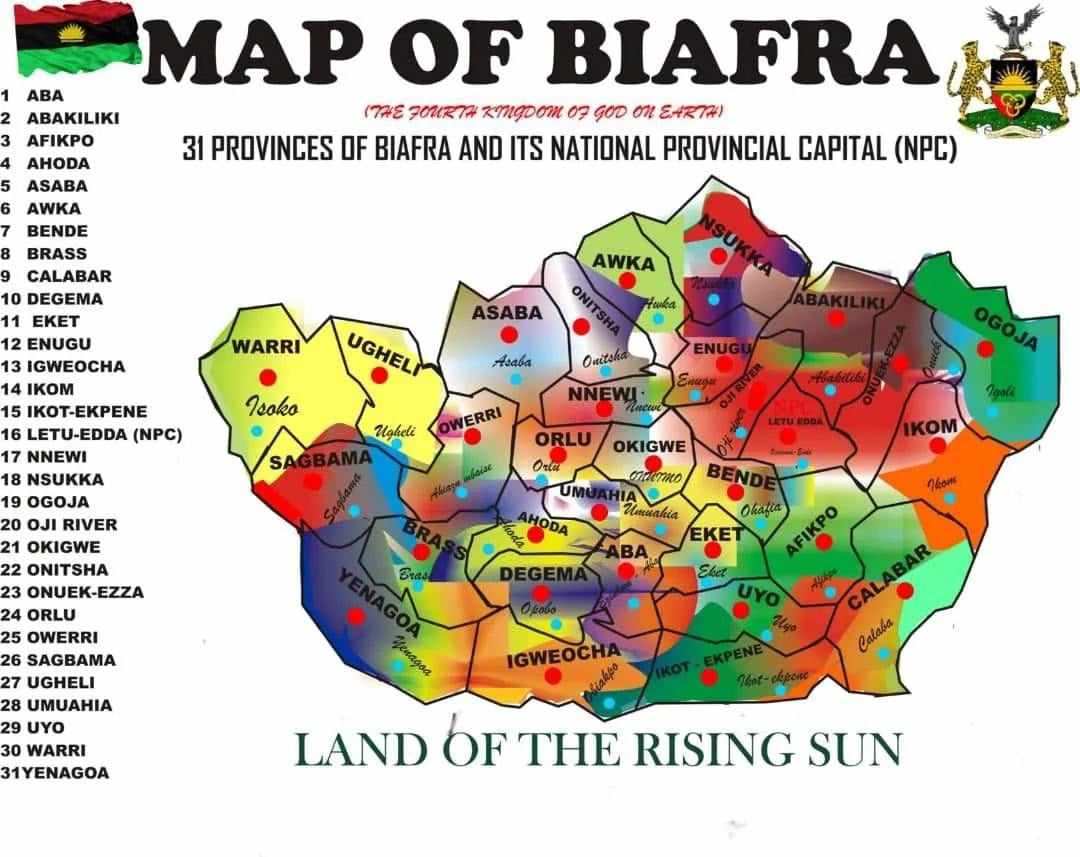
- Biafran War: One of the most significant events in modern Igbo history is the Nigerian Civil War, also known as the Biafran War (1967-1970). The conflict arose when the Igbo-dominated Eastern Region declared independence as the Republic of Biafra. The war had devastating consequences, including a significant loss of life and displacement of people.
- Post-Independence Era: After the end of the Nigerian Civil War, the Igbo people worked to rebuild their communities and integrate back into Nigerian society. The aftermath of the war had lasting effects on Igbo political, economic, and social life.
- Contemporary Issues: In more recent times, the Igbo people have continued to play a significant role in Nigerian politics, business, and culture. However, challenges such as political marginalization, infrastructure development, and security concerns persist in the region.